Round 01
/
08 Aug
Canadian GP

Calgary, Canada
McMahon Stadium
McMahon Stadium

While many of these technological innovations are still developing, several emerging categories are poised to have a significant impact on the future of supercross. Here are five areas that could shape the next era of the sport and could even make it on to consumer dirt bikes.
Safety technology has evolved dramatically in motorsport over the past decade, and supercross is set to benefit from the next wave of protective innovations.
Airbag systems are already becoming more sophisticated across motorcycle racing disciplines. Future versions are expected to use artificial intelligence and machine learning to detect crashes even faster, deploying protection within milliseconds of identifying an imminent impact. These systems could provide enhanced protection for the chest, shoulders, neck, and spine without restricting rider movement.
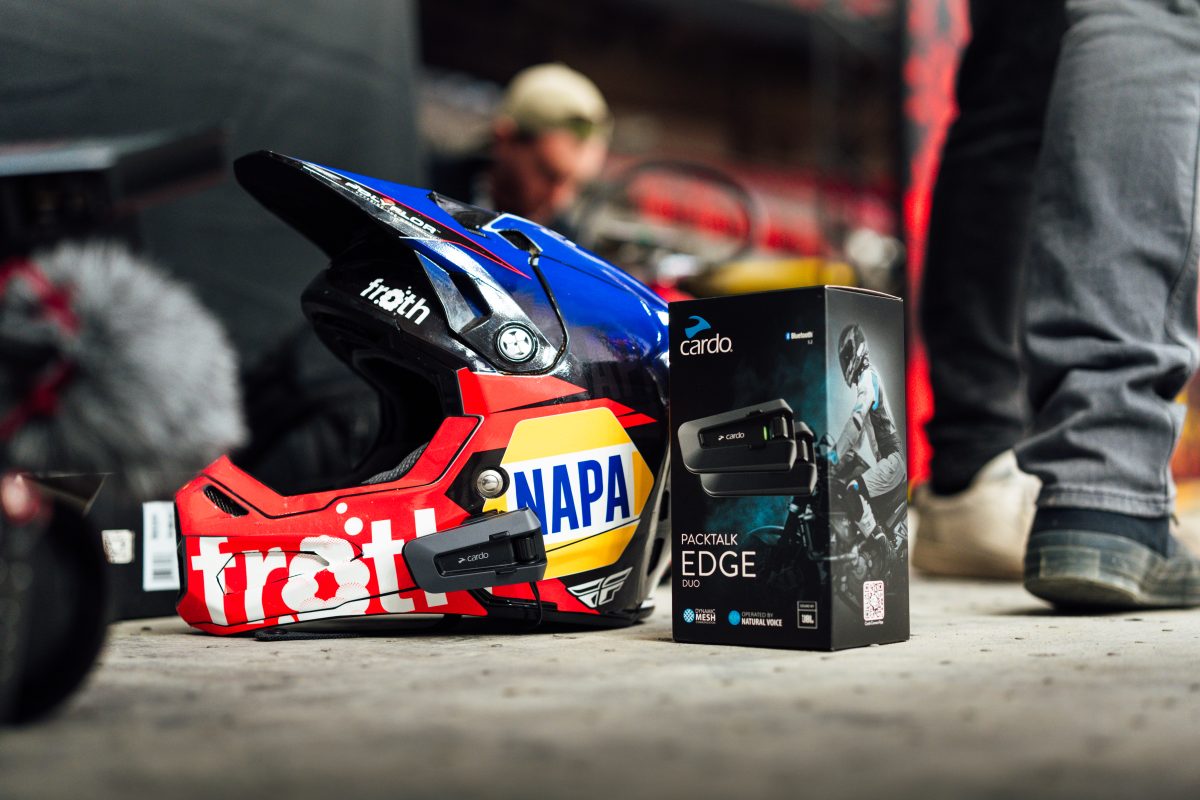
Helmet technology is also advancing rapidly. Smart helmets equipped with impact sensors may eventually provide real-time data following crashes, helping medical teams assess incidents more effectively. Some manufacturers are also exploring integrated communication systems and heads-up displays that could deliver critical race information without distracting riders.
In addition, wearable biometric sensors may become standard equipment. These devices could monitor heart rate, hydration levels, fatigue, and recovery, helping teams better understand rider condition throughout race weekends while contributing valuable information during medical evaluations.
Modern race bikes already rely on sophisticated engineering, but future supercross machines could become significantly more connected and intelligent.
Advanced sensor networks are expected to play a major role. Future motorcycles may feature hundreds of data points monitoring suspension movement, tyre behaviour, engine performance, rider inputs, and chassis dynamics in real time. This information could be transmitted instantly to engineers, allowing teams to make more informed setup decisions.
Artificial intelligence may also assist with bike development. Rather than relying solely on post-race analysis, machine-learning systems could identify performance patterns across different tracks and riding styles, helping teams optimise suspension settings, gearing, and power delivery more efficiently.
Electronic rider aids remain a topic of discussion in off-road racing, but technologies such as adaptive traction management and predictive engine mapping could eventually emerge in carefully regulated forms. The challenge will be balancing innovation with the sport’s core emphasis on rider skill and control.
Elite athletes across all sports increasingly rely on data, and supercross is no exception. The future will likely see performance analysis become even more detailed and sophisticated.
GPS tracking systems are already providing valuable insights into line selection and lap-time performance. Future systems may generate highly detailed three-dimensional track maps that allow riders and teams to analyse every jump, rhythm section, and corner with extraordinary precision.
Motion-capture technology could become a routine training tool. By tracking body position, weight transfer, and movement patterns, coaches may identify small inefficiencies that can make a significant difference over a race distance.
Artificial intelligence could further transform rider development. Advanced software may automatically compare training sessions against previous performances, highlight areas for improvement, and even simulate race scenarios before riders reach the track.
For fans, this same technology could create richer viewing experiences, with live performance metrics, rider comparisons, and predictive race analytics enhancing broadcasts and digital content.
Sustainability is becoming an increasingly important focus across global sport, and motorsport is actively exploring solutions that reduce environmental impact without compromising performance.
Alternative fuels represent one of the most exciting developments. Sustainable fuels produced from renewable sources have the potential to significantly reduce lifecycle carbon emissions while maintaining the power and excitement expected from elite racing motorcycles.
Battery technology is also progressing rapidly, as we have seen with Stark joining the Championship for a second season. While electric motorcycles face challenges related to weight, power delivery and charging times, ongoing advancements could make electric supercross competition increasingly viable. Improved battery density and fast-charging capabilities continue to close the gap between electric and conventional powertrains.
Beyond the motorcycles themselves, sustainability innovations are emerging throughout race operations. From energy-efficient venue infrastructure to smarter logistics planning and reduced waste initiatives, technology is helping the industry identify new ways to operate more responsibly on a global scale.
Technology is not only transforming competition—it is changing how fans experience the sport. Augmented reality (AR) and virtual reality (VR) platforms have the potential to bring supporters closer to the action than ever before.
Fans could eventually experience races from a rider’s perspective, explore digital recreations of tracks, or participate in interactive race simulations from anywhere in the world.
Enhanced broadcast technology will continue to evolve. High-speed cameras, drone systems, and advanced tracking tools can deliver new viewing angles and deeper race insights. Real-time data overlays may provide instant access to speed, jump distances, lap comparisons, and rider statistics.
Virtual replicas of bikes, tracks, and race environments could also play a role in both competition and fan engagement. These models may allow teams to test setups in virtual environments while giving fans unique opportunities to understand the technical side of the sport.
As global audiences grow, these innovations will help create more immersive and accessible experiences, strengthening the connection between riders, teams, and fans worldwide.
The future of supercross will be shaped by a combination of safety advancements, intelligent bike technology, data-driven performance tools, sustainability initiatives, and immersive fan experiences. While some innovations are already beginning to appear, others remain on the horizon, waiting for further development and adoption by the manufactures.
What remains unchanged is the essence of the sport: elite athletes pushing the limits of performance on some of the most demanding tracks in motorsport. Technology will not replace the skill, courage, and determination that define supercross but it will simply provide new tools to help riders perform at their very best while bringing fans even closer to the action.